

Diversification alimentaire au Maroc : DME

Voir la descriptionMasquer la description
Starting Solid Foods and Baby-Led Weaning: The Equipment That Really Helps
At around four to six months, depending on your pediatrician's advice, your baby discovers something other than milk. This stage goes more smoothly with a few utensils designed for them - and much less smoothly with adult tableware. This collection brings together what is genuinely useful, whether you choose classic purées or baby-led weaning.
Purées or baby-led weaning: two paths, the same basic equipment
Traditional weaning starts with smooth textures fed by spoon. Baby-led weaning, or BLW, offers foods in pieces from the outset that the baby brings to their own mouth. Both approaches work, and many families combine them.
Whichever approach you choose, speak to your pediatrician before starting, particularly about the schedule for introducing allergens and which foods to avoid.
The essentials to have
Tableware
- Suction plate - the only one that withstands a sweeping arm motion. It's the most worthwhile purchase on the list.
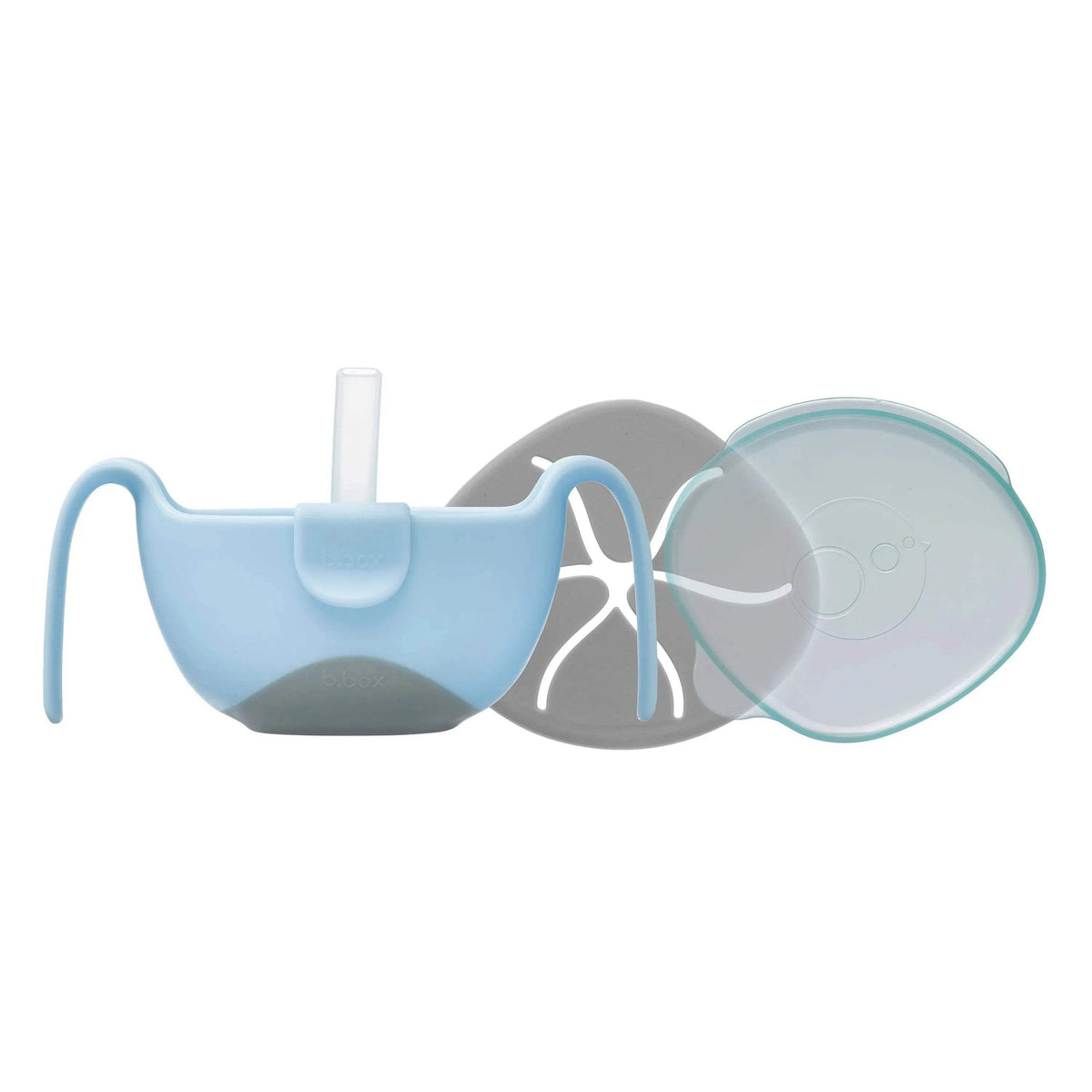
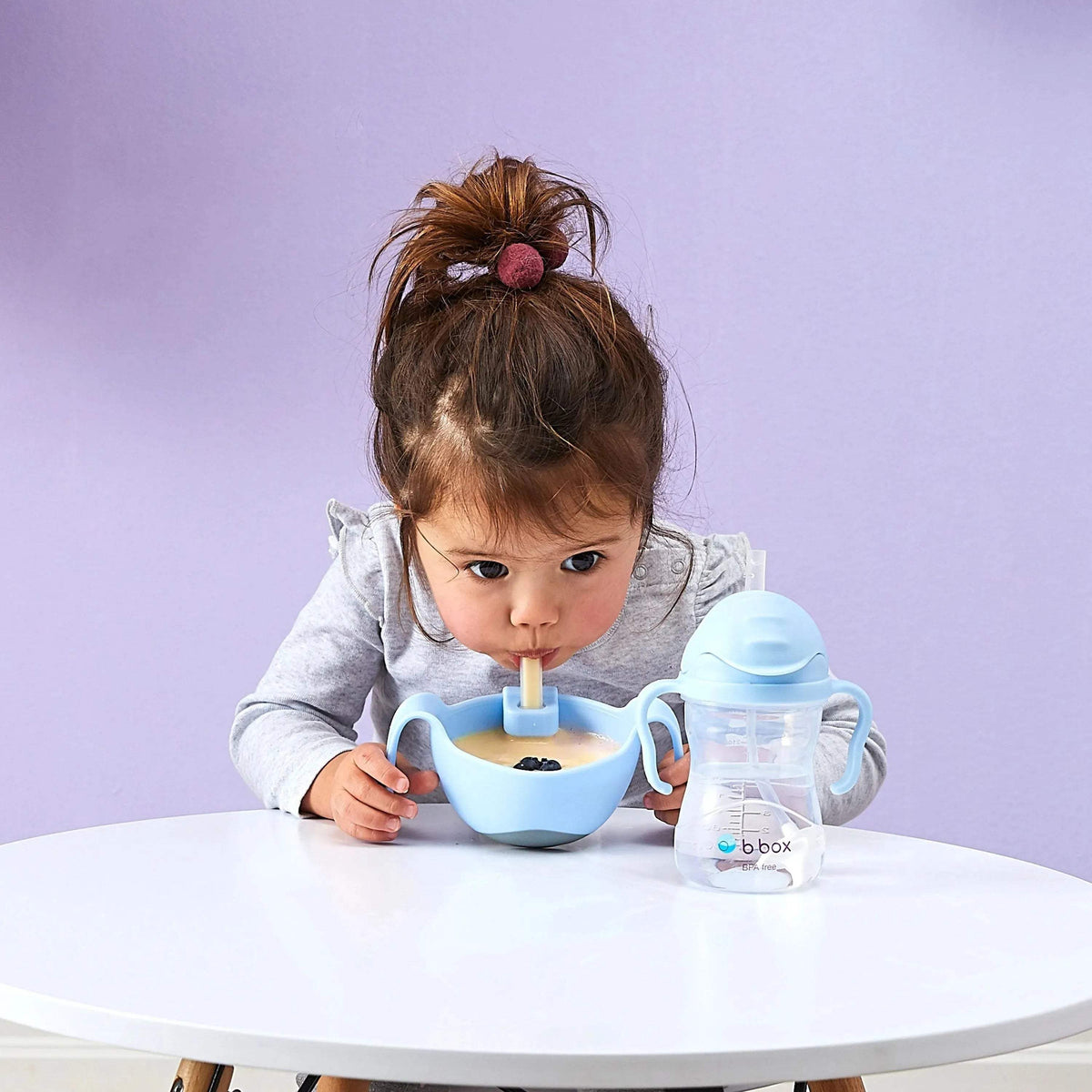
- Bowl with a rim - the inner rim allows your child to load their spoon by themselves
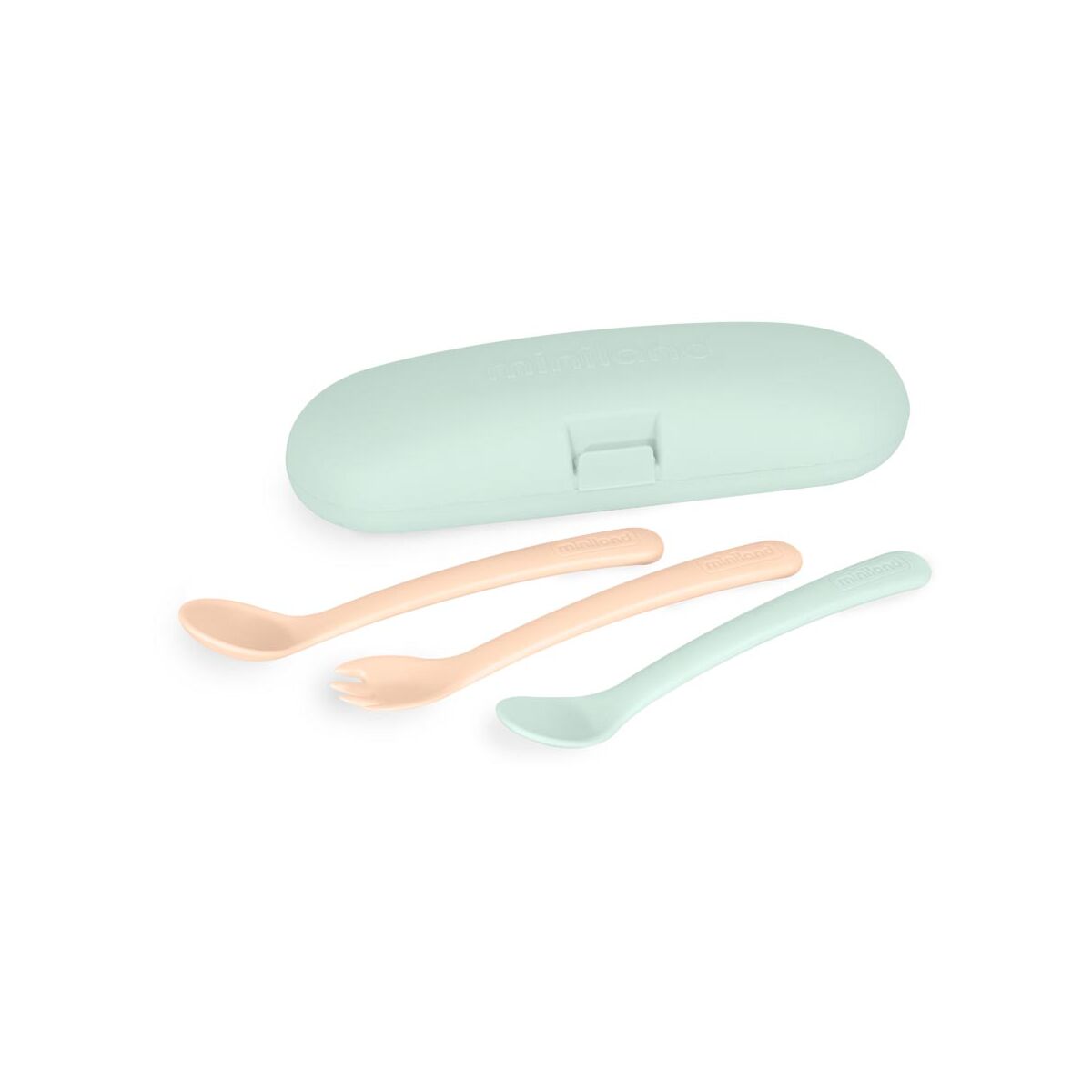
- Soft-tip spoons - made of silicone, they are gentle on the gums and first teeth
- Sippy cup or straw cup - to support the gradual transition from bottle to glass
Protection
- Pocket bib - made of silicone, it catches what falls and rinses under the tap
- Floor mat - especially useful for BLW, when a good part of the meal ends up on the floor
Preparation
- Food processor and steamer - cooks with steam and blends in the same appliance, which makes a real difference when preparing homemade food
- Storage containers - to freeze portions and save time during the week
- Fresh-food feeder - lets your baby discover fresh fruit without the risk of a piece breaking off
The question of food pieces
This is the main concern for parents starting BLW. A few guidelines: offer pieces long enough to extend beyond a closed fist, textures that can be squashed between the thumb and index finger, and avoid anything round, hard, or slippery.
A baby should always eat sitting upright, supported, and under adult supervision. The difference between gagging, which is frequent and normal, and actual choking is worth learning before you begin: ask your pediatrician or midwife to explain it, and learn about first-aid techniques suitable for infants.
Setting up a meal that goes well
A high chair with good back support and a footrest makes a big difference: a stable child eats better. Serve small portions, give yourself permission not to insist, and accept that the first few weeks are primarily about sensory discovery rather than nutrition.
Get equipped for this stage
Browse the collection and put together your starter kit. Delivery throughout Morocco, with pickup available in Kénitra.
Frequently asked questions
At what age should you start introducing solid foods?
Between four and six months, depending on your pediatrician's advice, and never before four completed months. Your baby should be able to sit with support and have lost the tongue-thrust reflex.
Do you have to choose between purées and BLW?
No. Many families combine the two, offering purées at some meals and pieces at others.
Why use a suction plate?
Because between six and twelve months, throwing their plate is a normal developmental stage. The suction base saves you from picking up the meal every time.
Is silicone safe for babies?
High-quality food-grade silicone is inert, BPA-free, and withstands heat as well as the dishwasher. It's the material we prefer for tableware for this age group.






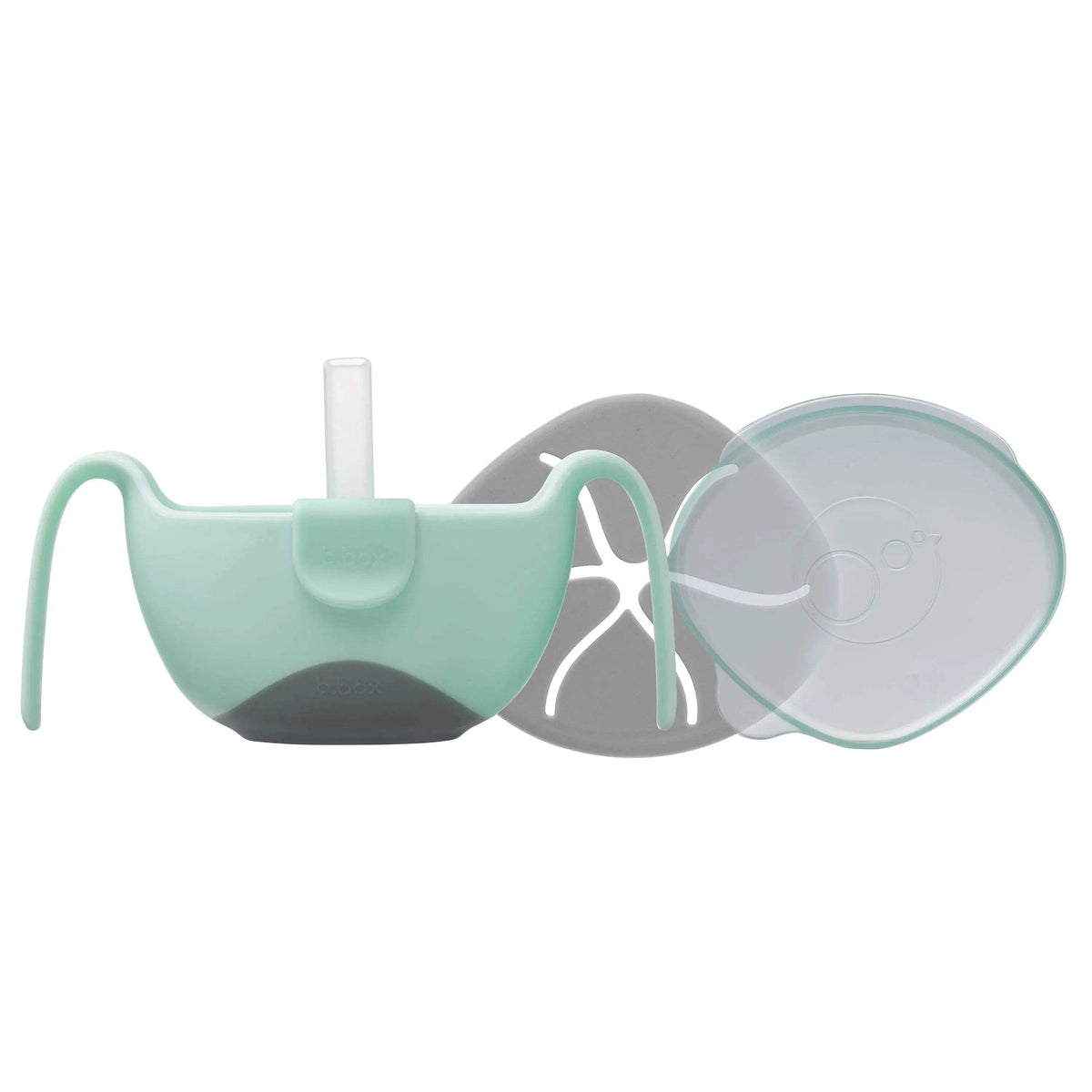
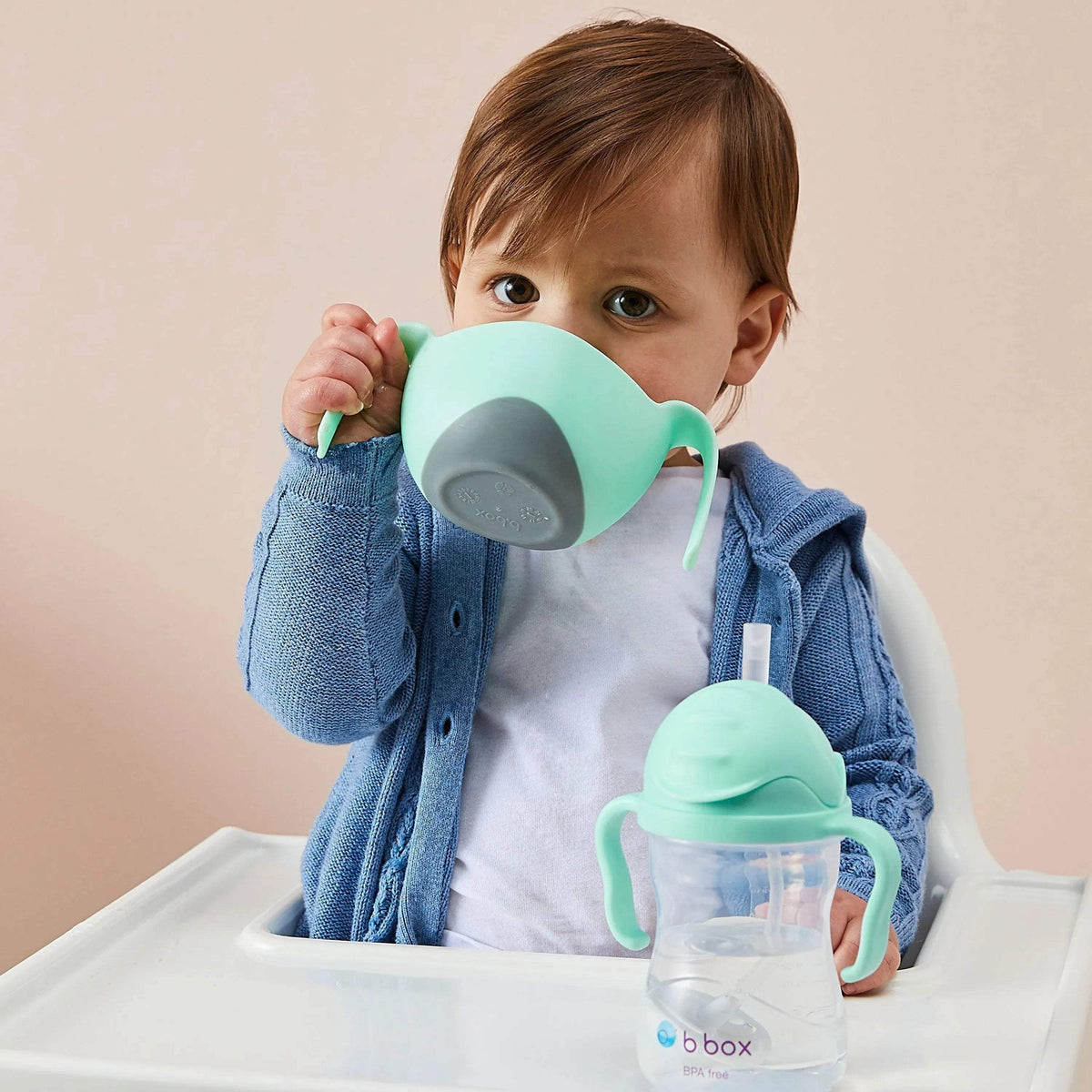


Excellent choix des produits pour les enfants sur tous les niveaux.
Fidèle au magasin
J’aurais bien voulu qu’on me dise qu’il y’avait une offre sur les écrans solaires car date de péremption proche ☹️
Coussin d'allaitement reçu endommagé et visiblement rafistolé.
En retirant la housse, j'ai découvert une couture ouverte avec un trou par lequel les microbilles s'échappent. Les coutures ne sont pas identiques des deux côtés, celle du côté abîmé semble avoir été refaite à la main.
Le coussin manquait aussi de volume. Ce n'est pas mon premier coussin d'allaitement, j'ai un point de comparaison.
Tout indique un article déjà endommagé, recousu puis expédié comme neuf.
J'ai envoyé un mail avec photos à l'appui, puis relancé par WhatsApp. Service client inexistant.
Très déçue
Je tiens à remercier BebyBoss pour la qualité de ses produits et son excellent service. 🌷
Des articles de qualité, un très bon accueil et un professionnalisme remarquable.
Merci pour votre sérieux et votre confiance ! ❤️
Products are good. But they need to work on their delivery service. Delivery must be done on business hours. Not late at night
Service client catastrophique. Délais annoncé 1j, livré 5jours après. Demande d’échange, accepté puis refusé alors que le produit n’a même pas été ouvert!! Je ne recommande pas du tout de passer pr eux pour une livraison
Un article ne contenait pas l’emballage et l’étiquette qui prouve qu’il est neuve et portait une odeur qui laisse croire qu’il a été utilisé le pire quand j’ai réclamé par mail et par watsup je n’ai eu aucune réponse
Livraison rapide tout est arrivé en parfait état vu le bon emballage
J’ai beaucoup aimé la qualité du produit, son joli design et le sérieux de la boutique. Ma lunch box est très belle, pratique et conforme à mes attentes. Je suis très satisfaite de mon achat
Très bonne qualité et service de livraison rapide. Je vous remercie et à la prochaine inchaalah.
Après mon achat, j'ai constaté que votre site est le plus cher
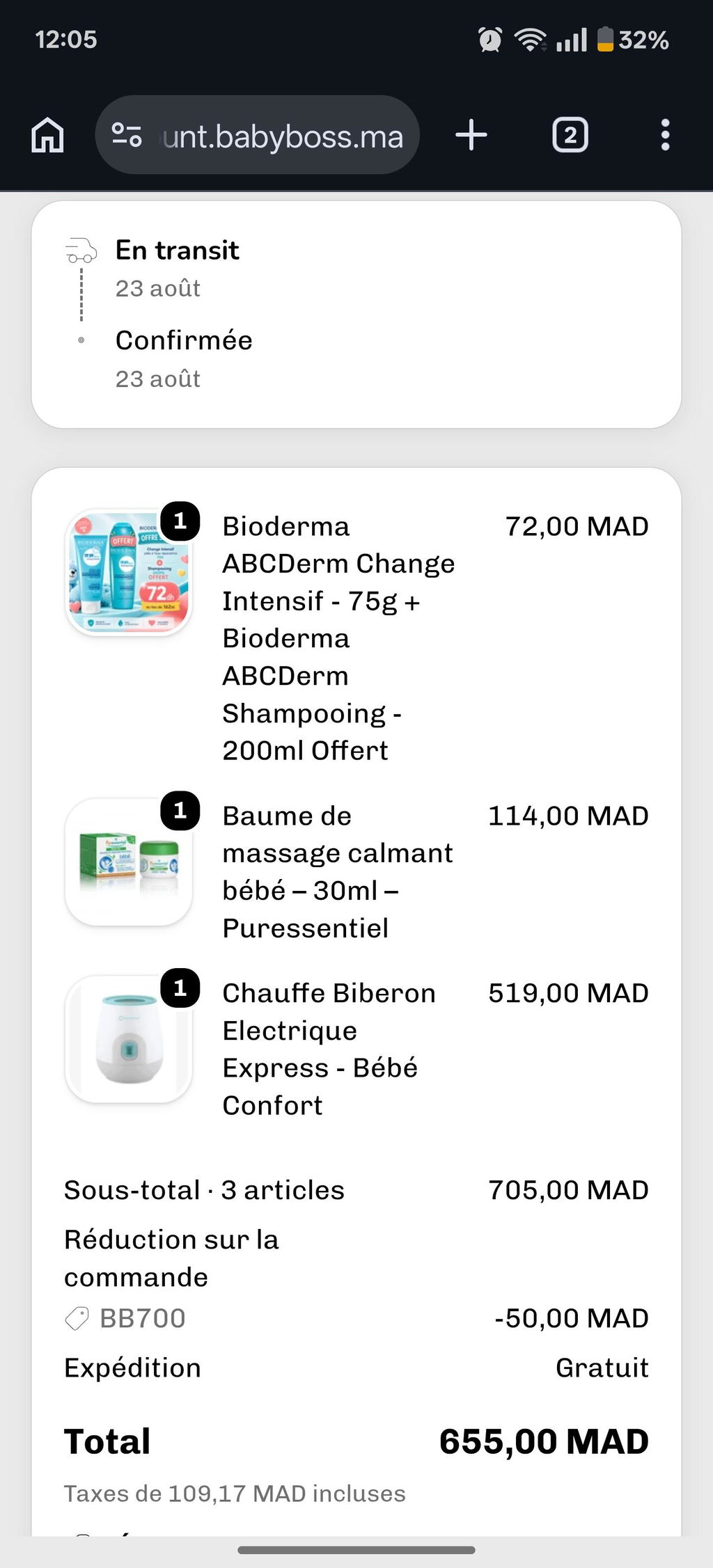
pour ma 1ère commande, votre assistante ma appelé pour dire l'un des articles n'est plus en stock, alors que la commande est validé, en transit. pas de crédibilité dès la 1ère commande qui sera malheureusement la dernière pour moi
Très satisfaite
Pour ma 1ère commande, on m'appelle pour dire l'un des articles n'est plus en stock, alors que sur le site ma commande et bien confirmée, en transit!!
Service zwin bzaf olmo3amala ghzala o deghya la commande katwsel okoulchi ghzala kif ma f les photos merci bcp omaghadich tkoun akhir mo3amala dima incha2lah